This Tiny European City Is an Instagram Dream — You’ve Gotta See These Art Spaces
Ljubljana, Slovenia, is like a secret the world hasn’t fully discovered—yet. Nestled between the Alps and the Mediterranean, this charming capital blends old-world charm with bold, contemporary art. I was blown away by how every corner feels curated, from street murals to hidden galleries. If you’re chasing beauty with authenticity, Ljubljana’s art spaces deliver—visually stunning, deeply local, and absolutely made for your feed.
First Impressions: A City That Feels Like Art
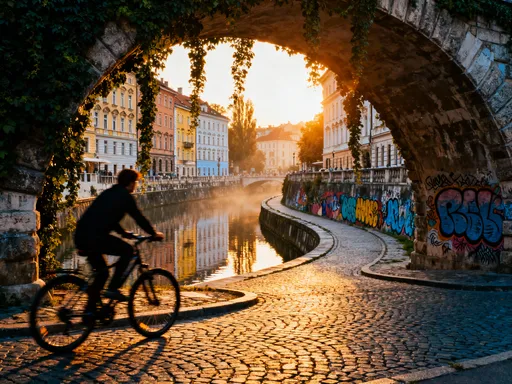
From the moment you step into Ljubljana’s city center, there’s a sense that you’ve entered a living gallery. The historic core, fully pedestrianized since 2007, invites slow exploration. Cobblestone streets wind beneath pastel-hued buildings with wrought-iron balconies, while the Ljubljanica River glides through like a liquid ribbon, reflecting arched bridges and centuries-old facades. Every angle seems composed for photography, not by chance, but by deliberate urban design. In the early morning light, mist curls over the water, softening the edges of stone statues and flower-filled window boxes. By midday, sunlight dances across tiled rooftops and gilded cupolas, offering crisp contrasts perfect for detail shots.
The city’s layout enhances its artistic feel. Designed with input from architect Jože Plečnik in the early 20th century, Ljubljana balances green space, water, and architecture in a way few European capitals do. Plečnik’s influence is visible in the Triple Bridge, the central market colonnades, and the elegant stairs leading up to Ljubljana Castle. His vision was to make the city a harmonious whole—a place where function meets beauty. Today, that philosophy continues. Public benches double as sculptural pieces; lampposts are crowned with decorative bronze leaves. Even the trash bins are designed to blend into their surroundings, proving that thoughtful aesthetics extend beyond galleries into everyday life.
For visitors, this means that photography opportunities aren’t limited to designated attractions. A quiet bench beside the river, framed by weeping willows, becomes a portrait spot. The open-air market at Central Market, with its striped awnings and baskets of ripe produce, offers vibrant color studies. Children playing near the dragon statues on Dragon Bridge provide candid, joyful moments. Ljubljana doesn’t demand you search for beauty—it presents itself gently, consistently, at every turn. It’s a city where art isn’t confined to walls but flows through the streets, making it ideal for travelers who appreciate visual storytelling without pretense.
Metelkova Mesto: Where Rebellion Became a Canvas
Just a short walk from the polished elegance of the old town lies a different kind of beauty—raw, unfiltered, and pulsing with energy. Metelkova Mesto, once a cluster of Austro-Hungarian military barracks, was occupied in 1993 by a group of artists and activists seeking space for alternative culture. Over the years, it has evolved into one of Europe’s most unique urban art zones. Today, it stands as a testament to creative resistance, where graffiti isn’t vandalism but a language of identity and freedom. The buildings, painted from foundation to rooftop, pulse with color and message. Layers of murals overlap like pages in a visual diary, documenting decades of social commentary, political dissent, and imaginative expression.
Walking through Metelkova is like stepping into a dream shaped by punk ethos and artistic courage. Every surface tells a story—walls peel with decades of paint, revealing fragments of past slogans and symbols. Sculptures made from scrap metal rise unexpectedly from corners, while repurposed shipping containers serve as intimate performance spaces or DIY galleries. The air hums with music—sometimes jazz, sometimes electronic beats—drifting from underground clubs or open-air stages. At dusk, string lights flicker on, casting a warm, bohemian glow over the courtyards, making it one of the most atmospheric spots in the city for evening photography.
What makes Metelkova so compelling for Instagram is its authenticity. Unlike curated art districts designed for tourism, this space remains fiercely independent. It’s not polished, and it doesn’t try to be. The textures—cracked plaster, rusted metal, vibrant spray paint—are rich with visual depth. A close-up of a weathered door covered in stenciled poetry can be as striking as a wide-angle shot of the entire compound glowing at night. Visitors are welcome to explore freely during daylight hours, though some indoor spaces operate on irregular schedules. The lack of formality adds to the charm. This is a place where creativity thrives on spontaneity, and every visit offers something new—whether it’s a freshly painted mural or an impromptu dance performance in the square.
The Street Art Scene: More Than Just Murals
While Metelkova captures the rebellious heart of Ljubljana’s street art, the movement extends far beyond its walls. Across neighborhoods like Krakovski Center, Trnovo, and Šiška, murals transform ordinary buildings into open-air canvases. These works go beyond decoration—they reflect social themes, celebrate local heritage, and invite dialogue. One mural in Trnovo depicts a woman weaving a tapestry of Slovenian folk patterns, symbolizing cultural continuity. Another, in the Krakovski district, portrays a child releasing a flock of paper birds, a hopeful nod to dreams and freedom. These images aren’t just visually arresting; they add narrative depth to your photos, turning simple snapshots into storytelling moments.
Ljubljana’s municipal support for street art has helped legitimize the form without sterilizing it. Unlike cities where murals are commissioned and controlled, here, artists often collaborate with communities to create works that resonate locally. Some pieces emerge from city-sponsored festivals, while others appear overnight, adding an element of surprise. The result is a dynamic, ever-changing landscape where art remains accessible and relevant. For photography enthusiasts, this means returning to the same street months apart might reveal an entirely new composition. The interplay of old architecture and bold contemporary art creates striking contrasts—Baroque cornices framing modern graffiti, or ivy-covered walls hosting hyper-realistic portraits.
Exploring these neighborhoods on foot reveals hidden gems around every corner. A narrow alley in Krakovski might feature a trompe-l’oeil staircase leading to the sky. A utility box near a tram stop could be painted to look like a vintage suitcase, filled with tiny painted souvenirs from around the world. These details reward slow, mindful exploration. For those documenting their journey, such elements add variety and whimsy to a feed. They also reflect a city that values creativity not just in museums but in the fabric of daily life. When you photograph street art in Ljubljana, you’re not just capturing an image—you’re preserving a moment in an ongoing cultural conversation.
Modern Art in Historic Settings: The National Gallery & Beyond
For a deeper dive into Slovenia’s artistic legacy, the National Gallery offers a compelling journey through centuries of visual expression. Housed in a neoclassical palace on Prešeren Square, the building itself is a work of art, with grand staircases, marble columns, and ornate ceilings. Inside, the collection spans from medieval religious panels to 20th-century modernism, showcasing how Slovenian artists have responded to European movements while maintaining a distinct voice. Works by Ivana Kobilca, one of the nation’s most celebrated painters, demonstrate technical mastery and emotional depth, particularly in her portraits of everyday people.
What makes the National Gallery especially fascinating is how it bridges past and present. While the permanent collection honors tradition, the museum regularly hosts contemporary exhibitions that challenge and reinterpret historical themes. Temporary installations often incorporate multimedia elements—video, sound, interactive displays—creating immersive experiences that appeal to modern audiences. The contrast between the hushed elegance of the main halls and the dynamic energy of these modern exhibits reflects Ljubljana’s broader cultural identity: respectful of heritage, yet unafraid of innovation.
Another must-visit is the Mestna Galerija, or City Art Gallery, located in the stunning Baroque-style Ursuline Church and Convent. This space exemplifies Ljubljana’s ability to repurpose historic buildings without losing their character. The gallery’s exhibitions focus on 20th- and 21st-century Slovenian art, often highlighting experimental works that push boundaries. Walking through its vaulted chapels, now filled with abstract sculptures and digital projections, creates a powerful sense of dialogue between old and new. The natural light filtering through stained glass casts colored patterns on modern installations, creating accidental compositions that are pure magic for photography.
These institutions may not have the global fame of the Louvre or the MoMA, but their intimacy offers a different kind of advantage. Without crowds, you can linger in front of a painting, study its brushwork, or find the perfect angle for a shot. Docents are often approachable and willing to share insights, adding depth to your visit. For families, many galleries offer quiet corners and benches, making them manageable even with children. They represent a quieter, more contemplative side of Ljubljana’s art scene—one that balances Instagrammable moments with genuine cultural enrichment.
Hidden Creative Corners: Courtyards, Pop-Ups, and Independent Studios
Beyond the well-known galleries and street art hotspots, Ljubljana thrives in its hidden creative pockets. Tucked behind unassuming doorways in the old town, you’ll find tranquil courtyards transformed into seasonal art installations. These spaces, often managed by local collectives, host small exhibitions, poetry readings, or craft markets. One summer, a courtyard near the Town Hall featured a suspended forest of paper leaves, each inscribed with handwritten wishes from residents. Another hosted a light-based installation that changed color with the time of day, creating a mesmerizing effect after sunset.
These pop-up venues are fleeting by design, making them all the more special to discover. They’re rarely advertised in guidebooks, but word spreads through social media and local event listings. For photographers, they offer unique opportunities to capture art in intimate, atmospheric settings. The contrast between the ancient stone walls and contemporary installations creates a visual tension that’s both poetic and photogenic. Because they’re off the main tourist path, you’re more likely to have the space to yourself, allowing for thoughtful composition and unhurried exploration.
Independent artist studios also contribute to this underground scene. Some open their doors during events like Open Studios Ljubljana, an annual citywide initiative that invites the public into working spaces. Here, you can watch painters mix colors, sculptors shape clay, or textile artists weave intricate patterns. These visits offer a rare behind-the-scenes look at the creative process, and many artists welcome respectful photography. The authenticity of these moments—the smudged apron, the cluttered workbench, the focused gaze—adds emotional weight to your images, making them more than just pretty pictures.
For travelers seeking a deeper connection, these hidden corners provide a sense of discovery. They remind you that art isn’t just something to consume—it’s something lived, made, and shared. Finding a tiny exhibition in a forgotten courtyard or chatting with an artist in their studio can become one of the most memorable parts of a trip. These experiences don’t always make the highlight reel, but they enrich the story behind it.
Practical Tips for Capturing the Art
To make the most of Ljubljana’s visual offerings, a few practical considerations can elevate your experience. First, timing matters. The golden hour—just after sunrise and before sunset—bathes the city in soft, warm light, especially beautiful along the Ljubljanica River. Bridges like the Triple Bridge and Butchers’ Bridge glow in the low-angle sun, creating long shadows and rich contrasts. Early mornings also mean fewer people, giving you unobstructed views for wider shots. If you prefer nightlife, Metelkova comes alive after dark, with neon signs, string lights, and moving crowds adding energy to your frames.
You don’t need professional gear to capture compelling images. A smartphone with a clean lens and good natural light can produce stunning results. Use the grid function to compose balanced shots, and experiment with portrait mode to blur backgrounds and highlight details. For street art, get close—fill the frame with texture, color, or typography. Don’t be afraid to shoot from unusual angles: lying on the ground to capture a mural’s full height or shooting a reflection in a puddle can create dynamic visuals.
Respect is key. While most street art is meant to be seen, avoid touching murals or climbing on installations. Some galleries request no flash photography, so check signs or ask staff. When photographing people—especially artists at work—smile, make eye contact, and ask permission when possible. Slovenians are generally friendly but value privacy, so a polite approach goes a long way.
Finally, integrate your art exploration with moments of rest. Ljubljana is full of design-forward cafes where you can recharge with a coffee and a slice of potica, a traditional nut roll. Places like Cukrarna or Cafe Lojze offer stylish interiors and outdoor seating perfect for people-watching. Use these breaks to review your shots, adjust settings, or simply absorb the atmosphere. Art is best enjoyed slowly, and so is this city.
Why Ljubljana’s Art Scene Matters
Ljubljana’s artistic landscape is more than a collection of pretty places to photograph—it’s a reflection of a city that values creativity as a core part of its identity. Unlike destinations that retrofit art for tourism, Ljubljana has grown its scene organically, supporting grassroots initiatives, independent artists, and sustainable urban planning. The transformation of Metelkova from abandoned barracks to cultural hub, the integration of street art into public discourse, and the adaptive reuse of historic buildings all point to a deeper commitment: art as a public good, not just a commodity.
This approach has real benefits for visitors, especially women in the 30–55 age range who seek meaningful, enriching travel experiences. Ljubljana feels safe, walkable, and welcoming—qualities that make solo or family travel stress-free. The pace allows for reflection, conversation, and connection. You can spend an hour in a quiet gallery, share a coffee with a local artist, or simply sit by the river and watch the world go by. There’s no pressure to rush, no need to queue for hours. The art is accessible, the city is human-scaled, and the experience feels personal.
Moreover, Ljubljana offers a model for how small cities can thrive through culture. With a population of just over 280,000, it punches far above its weight in artistic output. Its success lies in collaboration—between artists and city planners, communities and institutions, tradition and innovation. This spirit of unity is visible in the murals that celebrate shared values, the festivals that bring neighborhoods together, and the policies that prioritize green space and pedestrian access.
When you share photos from Ljubljana, you’re not just showcasing beautiful places—you’re participating in a larger story about resilience, community, and the power of creativity to transform spaces and lives. The city doesn’t shout its greatness; it whispers it through details—the curve of a Plečnik bench, the glow of a Metelkova lantern, the quiet pride in a local’s voice when they talk about their home. In a world where travel can feel transactional, Ljubljana reminds us that the most lasting memories are made in places that care deeply about beauty, authenticity, and belonging. So pack your camera, lace up your walking shoes, and come see for yourself—this tiny European capital is waiting to inspire your next chapter.