You Won’t Believe What Alaska’s Food Scene Actually Tastes Like
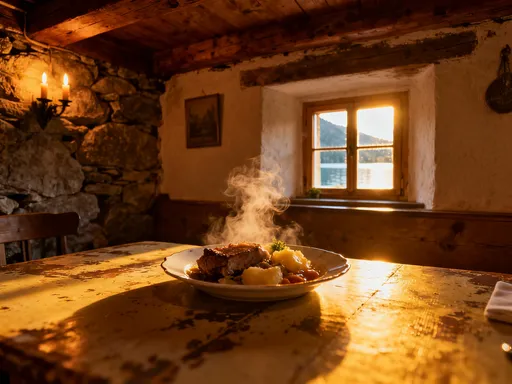
Alaska isn’t just glaciers and wildlife—it’s a food adventure most people never see coming. I went searching for real flavors beyond the tourist traps and found smoked salmon that melts in your mouth, reindeer sausage with a kick, and sourdough so rich it feels historic. This is food shaped by wilderness, tradition, and survival. If you think Alaskan cuisine is just fish and chips, trust me—you’re in for a wild, delicious surprise.
The Heartbeat of Alaskan Cuisine: Food as Survival and Culture
Alaskan cuisine is not defined by culinary trends or social media aesthetics. It is rooted in necessity, shaped by centuries of living in one of the harshest environments on Earth. For Alaska’s Indigenous peoples—such as the Iñupiat, Yup'ik, Athabascan, Tlingit, and Aleut—food has always been more than sustenance. It is a language of resilience, a way of honoring the land, and a living thread connecting generations. Every bite carries the weight of adaptation, from preserving salmon under the summer sun to fermenting fish heads in seal oil, a traditional dish known as "stink heads" that may challenge the uninitiated but remains a cultural staple in many rural communities.
The climate plays a central role in how food is grown, gathered, and stored. With long, dark winters and brief growing seasons, fresh produce is a luxury in many parts of the state. As a result, preservation techniques like drying, smoking, fermenting, and freezing are not just practical—they are essential. These methods have been refined over thousands of years and continue to influence how Alaskans eat today. Wild game, foraged plants, and seafood dominate the diet, not because they are trendy, but because they are accessible, nutritious, and deeply embedded in local knowledge.
In remote villages across the Interior and Western Alaska, subsistence living remains a way of life. Families rely on hunting, fishing, and gathering to meet a significant portion of their annual food needs. This is not a romanticized return to nature—it is a practical, regulated, and culturally vital system supported by both tradition and law. The state and federal governments recognize subsistence rights, ensuring that rural residents have priority access to fish and game. This balance between modern governance and ancient practice underscores how food in Alaska is more than personal choice; it is a matter of cultural survival.
Staples like dried salmon, moose meat, cloudberries, and wild greens are not exotic additions to the menu—they are everyday ingredients. These foods reflect a deep understanding of seasonal cycles and ecological balance. Respect for the environment is woven into every step, from the careful handling of a harvested moose to the sustainable picking of blueberries in late summer. For visitors, engaging with this food culture means more than tasting something new; it means acknowledging a worldview where humans are part of the ecosystem, not separate from it.
Seafood That Actually Lives Up to the Hype
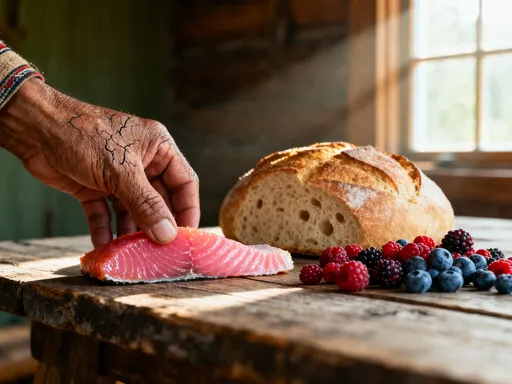
When people think of Alaskan food, salmon is often the first thing that comes to mind—and for good reason. The state’s cold, clean waters produce some of the highest-quality seafood in the world. But not all salmon is the same. Alaska is home to five species of Pacific salmon, each with its own texture, fat content, and flavor profile. Sockeye, known for its deep red flesh and rich taste, is often smoked or grilled. Coho, or silver salmon, has a milder flavor and firm texture, making it ideal for grilling or serving raw. King salmon, the largest and most prized, is buttery and luxurious, often compared to high-grade tuna.
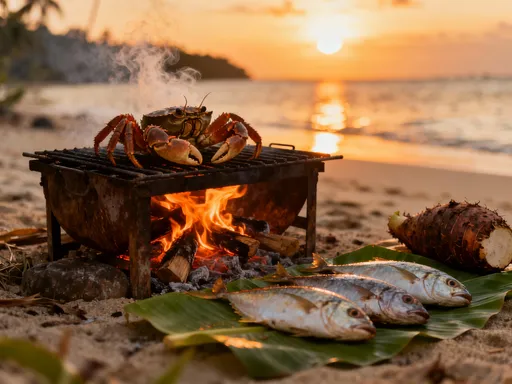
Then there’s pink salmon, the most abundant, commonly canned or used in chowders, and chum salmon, which, while leaner, is traditionally valued for drying and smoking. Understanding these differences enhances the eating experience and helps travelers make informed choices when dining out. The best way to enjoy fresh salmon is often the simplest: grilled over an open fire, seasoned with just salt and wild herbs, or served cold as kelp-cured gravlax, a modern twist that uses kelp brine for a briny, umami-rich finish.
But Alaskan seafood goes far beyond salmon. In coastal towns like Seward, Homer, and Sitka, fishermen bring in halibut so fresh it practically glistens on the dock. This flatfish, with its snow-white flesh and delicate sweetness, is often pan-seared or baked with lemon and herbs. Spot prawns, a delicacy pulled from icy depths, are another hidden gem. Sweet, firm, and slightly nutty, they are best enjoyed simply boiled or grilled, often at roadside seafood shacks where the line forms early and the menu is written on a chalkboard.
And then there’s king crab. Made famous by television shows, this luxurious crustacean is indeed worth the splurge when done right. The meat is sweet, tender, and rich, best served steamed with melted butter or incorporated into creamy pastas. While expensive, it’s a once-in-a-lifetime treat for many visitors. For a more authentic experience, travelers should seek out local fish markets or community fish fries, where prices are lower and the seafood is often caught that morning. These spots, often run by fishermen’s families, offer not just food but stories—of storms at sea, record hauls, and the rhythm of life tied to the tides.
Wild Game and the Ethics of Eating Local
For many visitors, the idea of eating moose or caribou is as thrilling as spotting a grizzly bear. These animals are not just symbols of the Alaskan wilderness—they are also part of the local food system. In rural areas, hunting is not a sport; it is a necessary and regulated means of putting food on the table. Game meat is shared among families, donated to elders, and preserved for winter. This tradition of subsistence hunting is protected under state and federal laws, ensuring that rural communities can continue their way of life.
Reindeer, introduced to Alaska in the late 19th century, is now farmed in certain regions and commonly found on menus. It has a lean, slightly sweet flavor, often compared to venison but milder. Caribou, a wild relative of reindeer, has a more robust taste and is typically dried or stewed. Moose meat, dark and rich, is often ground into burgers or sausages, sometimes mixed with pork fat to improve moisture. These meats are not always easy to find in urban restaurants, but when they are, they offer a true taste of Alaska’s interior.
Eating wild game comes with ethical considerations. Unlike factory-farmed meat, game is not mass-produced, and every animal is used fully—nothing goes to waste. This respect for the animal is central to Indigenous values and is increasingly appreciated by environmentally conscious diners. For travelers, choosing restaurants that source game meat sustainably and transparently is key. Look for places that list the origin of their meat, partner with local hunters, or are Native-owned. These establishments often provide context, explaining not just what you’re eating, but why it matters.
Some may hesitate to try dishes like muktuk, the traditional snack of whale skin and blubber, often served raw or pickled. While controversial in some circles, it remains an important cultural food for coastal communities, particularly in the Arctic. Consuming it is not about shock value—it’s about participating in a centuries-old practice of using every part of the animal. For visitors, the lesson is not just about expanding one’s palate, but about understanding a different relationship with food—one rooted in respect, necessity, and community.
The Sourdough Secret Every Baker Dreams Of
No culinary journey through Alaska is complete without tasting its legendary sourdough. This isn’t just any bread—it’s a living artifact of the Gold Rush era. In the late 1800s, prospectors carried sourdough starters with them, often wrapped in cloth and kept close to their bodies to stay warm. These microbial cultures, made of wild yeast and lactic acid bacteria, thrived in Alaska’s cold climate, where slow fermentation produced a tangy, complex flavor unmatched by commercial yeast.
Today, many Alaskan bakeries still use starters that are decades, even over a century, old. In Fairbanks, a few restaurants proudly display their sourdough starters like heirlooms, feeding them daily with local flour and glacier water. The result is a bread with a crisp crust, airy crumb, and a depth of flavor that lingers on the tongue. But sourdough isn’t just for sandwiches. It’s the base for pancakes served with birch syrup at breakfast, for croutons in creamy seafood chowder, and for toast topped with smoked salmon and wild herbs.
The science behind Alaska’s sourdough success lies in its environment. Cold temperatures slow down fermentation, allowing flavors to develop more fully. This natural process, combined with high-quality local ingredients, creates a product that is both rustic and refined. In Juneau, small bakeries turn out sourdough loaves that sell out by mid-morning, often to locals stocking up for the week. Visitors who wake early enough can watch bakers shape dough by hand, their movements rhythmic and practiced, a quiet tribute to a tradition that has fed generations.
For those who want to bring a piece of this tradition home, some bakeries offer starter cultures for sale or even by request. With proper care, these starters can live indefinitely, passed down like family recipes. While replicating the exact flavor may be impossible outside Alaska, the act of nurturing a sourdough culture connects people to a broader story—one of patience, resilience, and the simple joy of making something from scratch.
Foraging Like a Local: Berries, Greens, and Wild Flavors
Alaska’s short but intense growing season transforms the landscape into a forager’s paradise each summer. As the permafrost thaws and the sun hangs in the sky for nearly 24 hours, the tundra bursts with edible plants. Locals head into the woods and meadows with buckets and baskets, harvesting nature’s bounty. Blueberries, rich and sweet, are picked by the gallon for pies and jams. Salmonberries, with their amber-to-ruby hue and tart flavor, grow along trails and stream banks, often eaten fresh or blended into smoothies.
Then there are cloudberries, a golden gem found in boggy areas, prized for their complex sweet-tart taste and used in desserts and liqueurs. Less common but equally cherished are crowberries, highbush cranberries, and wild raspberries. These fruits are not just treats—they are nutritional powerhouses, packed with antioxidants and vitamins, especially important in regions where fresh produce is limited for much of the year.
Foraging is more than a hobby; it is a skill passed down through generations. Indigenous knowledge plays a crucial role in identifying safe and edible plants, distinguishing them from look-alikes that could be harmful. Elders teach children which greens are best for salads—like wild celery and fireweed shoots—and how to harvest spruce tips in spring, a citrusy young growth used in syrups, beers, and sauces. This intergenerational sharing ensures that foraging remains a living practice, not just a survival skill but a way of staying connected to the land.
Visitors can experience this tradition through guided foraging tours, available near Denali, Anchorage, and the Kenai Peninsula. Led by local experts, these tours emphasize sustainability, teaching participants to harvest responsibly—taking only what is needed and leaving enough for wildlife and future growth. Many end with a tasting or cooking demonstration, turning fresh-picked berries into jam or blending spruce tips into a refreshing drink. These experiences offer more than flavor; they offer a deeper understanding of how Alaskans live in harmony with their environment.
Where to Eat: Beyond Tourist Menus
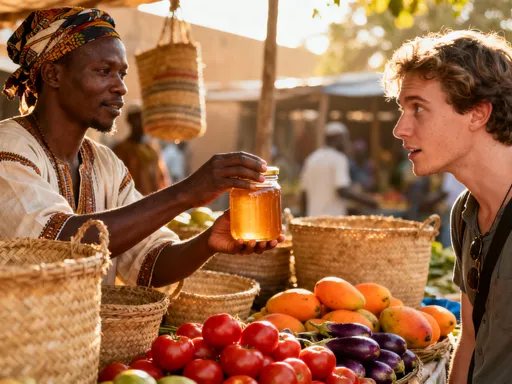
Finding authentic Alaskan food means stepping off the beaten path. Chain restaurants and cruise-ship dining rooms may offer convenience, but they rarely capture the essence of local cuisine. The real flavors are found in unassuming places: community centers hosting fish fries, roadside stands with hand-painted signs, and Native-run food booths at seasonal markets. These spots often operate on a cash-only basis, have limited hours, and feature menus that change with what’s available that week.
In Sitka, a small island town with a strong Tlingit presence, visitors can try akutaq—often called "Eskimo ice cream"—a creamy mixture of whipped fat, berries, and sometimes fish or meat. It’s rich, surprising, and deeply traditional. In Bethel, in the Yukon-Kuskokwim Delta, local cafes serve moose stew and fry bread, dishes that reflect both Indigenous and Russian influences. These meals are not presented for spectacle; they are everyday food, shared with pride.
Fish and chips, while common, take on a different character in Alaska. When the fish is fresh-caught halibut, hand-battered, and fried in small batches, served with hand-cut fries and homemade tartar sauce, it becomes a celebration of local ingredients. The best places to find this are near working harbors, where fishermen and their families eat after long days at sea. Look for places where the air smells of salt and frying oil, where locals greet the staff by name, and where the menu lists the boat that caught the fish.
Another tip: follow the seasonal events. Salmon bakes during summer festivals, reindeer sausage at winter markets, and berry pies at fall fairs—these are not just meals but community gatherings. Attending one offers a chance to eat, yes, but also to listen, learn, and connect. The people serving the food are often the ones who caught, picked, or baked it. Their stories—of long seasons, hard work, and deep love for their home—add flavor that no recipe can replicate.
Bringing Alaska Home: How to Recreate the Flavors
You don’t need to live in a remote cabin to enjoy Alaskan flavors. With a few thoughtful choices, you can bring the spirit of this cuisine into your own kitchen. Start with seafood. Look for wild-caught, frozen salmon labeled with its species and origin—Alaskan sockeye or king are excellent choices. Thaw it slowly in the refrigerator and prepare it simply: grill it with olive oil and lemon, or cure it at home using a mix of salt, sugar, and fresh dill for a homemade gravlax.
Birch syrup, a lesser-known sweetener made from the sap of birch trees, is another way to capture Alaska’s essence. Darker and more complex than maple syrup, with hints of molasses and smoke, it’s perfect drizzled over pancakes, stirred into oatmeal, or used in glazes for meats. While it’s expensive due to the labor-intensive process, a small bottle can last months and adds a unique touch to desserts and sauces.
For bread lovers, starting a sourdough culture is a rewarding project. Though it won’t have the same microbial profile as an Alaskan starter, the process mirrors the patience and care of traditional baking. Feed it regularly, use it in pancakes or bread, and consider naming it—many bakers do. It becomes a living part of your kitchen, a small daily ritual that connects you to a broader tradition of home cooking.
Simple recipes can also evoke the Alaskan table. Try making salmon chowder with potatoes, onions, celery, and a touch of cream. Top it with fresh dill and a spoonful of sour cream. Bake a berry crumble using frozen wild blueberries and salmonberries, with an oat and brown sugar topping. For a fun twist, make reindeer sliders using lean ground venison or bison, seasoned with garlic, thyme, and a touch of juniper, served on mini sourdough buns. These dishes aren’t about perfection—they’re about flavor, simplicity, and the joy of cooking with intention.
The goal isn’t to replicate Alaska exactly, but to honor its principles: eating with the seasons, valuing quality over quantity, and respecting the source of your food. Whether you’re in a city apartment or a suburban home, these values can shape how you shop, cook, and share meals with your family.
Alaskan food culture is more than what’s on the plate—it’s a reflection of resilience, community, and wild beauty. By choosing to taste the real Alaska, travelers don’t just eat well—they connect with a way of life that values simplicity, seasonality, and sustainability. Whether you’re standing in a Juneau fish market or flipping pancakes from a century-old starter, you’re part of a story that’s been cooking for generations. So next time you think of Alaska, don’t just picture snow-capped peaks. Picture a table full of flavor, warmth, and stories waiting to be shared.